


Summit Family Therapy Wins Best Counseling Center in Peoria!
We are excited to announce that Summit Family Therapy, a leading provider of mental health counseling in Peoria, Illinois, has been honored with the Official 2025 Community Choice Award for Best Counseling Center! This recognition reflects our dedication to delivering compassionate, evidence-based therapy services for individuals, couples, and families.
We are excited to announce that Summit Family Therapy, a leading provider of mental health counseling in Peoria, Illinois, has been honored with the Official 2025 Community Choice Award for Best Counseling Center! This recognition reflects our dedication to delivering compassionate, evidence-based therapy services for individuals, couples, and families.

Why This Award Matters
Mental health is essential for overall well-being, and this award highlights the importance of accessible, high-quality care. At Summit Family Therapy, our mission is to create a safe, supportive environment where clients can heal, grow, and thrive. Whether you’re seeking anxiety counseling, family therapy, or relationship support, we are here to help.
Our Commitment to Peoria and Beyond
As a trusted Peoria counseling center, we believe in breaking the stigma around mental health and empowering our community. This award is a testament to the hard work of our dedicated therapists and the trust of our clients.
Thank You for Your Support
We couldn’t have achieved this without YOU—our clients, partners, and supporters. Your encouragement inspires us to keep raising the bar for mental health care.



Understanding Emotional Affairs: Dynamics, Risks, and Recovery
Emotional affairs are one of the most overlooked threats to relationship health. While they don’t involve physical intimacy, they can be just as damaging—sometimes even more so. In today’s digital world, where social media and constant connectivity blur boundaries, emotional infidelity is becoming increasingly common. If you’ve ever wondered what an emotional affair is, why it happens, and how to protect your relationship, this article will give you the answers. We’ll explore the psychology behind emotional affairs, their impact on trust and intimacy, and practical strategies for prevention and healing.
Emotional affairs are intimate, non-physical relationships that cross boundaries of trust within committed partnerships. While they lack sexual involvement, emotional affairs often involve secrecy, emotional intimacy, and a diversion of relational energy away from the primary relationship. In today’s digital age, constant connectivity blurs the lines between friendship and intimacy, making emotional affairs increasingly common. Unlike platonic friendships, these relationships typically involve a level of closeness that rivals or surpasses that of the committed partner, often accompanied by secrecy and idealization (Glass & Wright, 1992). This dynamic can erode trust and destabilize the foundation of a committed relationship, even without physical contact.
An emotional affair is characterized by emotional intimacy, secrecy, and boundary violations. Individuals share personal thoughts, feelings, and vulnerabilities that are usually reserved for their partner, while concealing the depth of the relationship. Emotional energy is redirected away from the primary relationship toward another person (Olson et al., 2012). Although sexual infidelity is often viewed as more severe, research indicates that emotional betrayal can be equally damaging to relationship satisfaction and trust (Whisman et al., 2007).
Several psychological factors contribute to emotional affairs. Unmet emotional needs within the primary relationship often lead individuals to seek validation elsewhere. Opportunity and accessibility through social media and workplace interactions create environments conducive to emotional closeness (Cravens et al., 2013). Idealization also plays a role, as individuals project ideal qualities onto the other person, creating a sense of escape from relational stressors. These dynamics can result in significant consequences, including erosion of trust, decreased intimacy, and heightened conflict when the affair is discovered (Glass, 2003).
Preventing emotional affairs requires proactive strategies. Couples should establish clear boundaries about what constitutes appropriate emotional sharing outside the relationship. Enhancing communication about emotional needs and expectations fosters transparency and reduces secrecy. If an emotional affair occurs, rebuilding trust through accountability and consistent behavior is essential. Professional support, such as couples therapy, can help address underlying issues and restore relational health (Gottman & Silver, 2015).
Emotional affairs challenge the integrity of committed relationships by diverting emotional intimacy and trust. Recognizing the signs, understanding the psychological dynamics, and implementing proactive strategies can help couples protect and strengthen their bond.
Are you concerned about how your relationships are impacting your primary relationship? Or are you worried your partner is having an emotional affair?
Emotional affairs can quietly erode trust and intimacy, leaving couples feeling disconnected and betrayed. The good news? Awareness and proactive communication can prevent these situations before they start. By setting clear boundaries, prioritizing emotional needs within your relationship, and seeking professional support when necessary, couples can strengthen their bond and protect their partnership. If you suspect an emotional affair or want to learn more about rebuilding trust, consider reaching out to a licensed therapist. At Summit Family Therapy, we specialize in helping individuals and couples navigate these challenges and create healthier, more fulfilling relationships.

The Challenges of Making Friends as an Adult: Barriers and Strategies for Connection
Friendship is a critical component of psychological well-being, yet adults often struggle to form new social bonds. This article examines the unique challenges adults face in building friendships, including structural, psychological, and cultural factors, and provides evidence-based strategies to foster meaningful connections. Recommendations are grounded in research on social psychology, mental health, and adult development.
Friendship is a critical component of psychological well-being, yet adults often struggle to form new social bonds. This article examines the unique challenges adults face in building friendships, including structural, psychological, and cultural factors, and provides evidence-based strategies to foster meaningful connections. Recommendations are grounded in research on social psychology, mental health, and adult development.
Friendship plays a vital role in emotional health, resilience, and life satisfaction (Demir & Davidson, 2013). While childhood and adolescence offer abundant opportunities for social interaction, adulthood introduces barriers such as time constraints, geographic mobility, and shifting priorities. Understanding these challenges and identifying practical strategies is essential for promoting social connectedness and reducing loneliness—a growing public health concern (Holt-Lunstad et al., 2015).

Challenges in Adult Friendship Formation
1. Time Constraints
Work, family, and caregiving responsibilities often leave adults with limited time for social engagement (Rawlins, 2017). Unlike school environments, adulthood lacks structured opportunities for spontaneous interaction.
2. Reduced Social Structures
Educational settings naturally facilitate friendships through shared experiences. In adulthood, these structures diminish, requiring intentional effort to meet new people (Hall, 2019).
3. Fear of Rejection and Vulnerability
Adults may experience heightened anxiety about initiating friendships due to fear of judgment or rejection, particularly in individualistic cultures that emphasize self-sufficiency (Nelson, 2013).
4. Geographic Mobility
Career changes and relocations disrupt established social networks, making it harder to maintain long-term friendships (Oswald & Clark, 2003).
5. Changing Priorities
Adults often prioritize quality over quantity in relationships, seeking deeper connections rather than casual acquaintances (Hall, 2012).
Strategies for Building Friendships
1. Leverage Existing Networks
Reconnecting with acquaintances or colleagues can serve as a foundation for deeper relationships. Research suggests that “weak ties” often lead to meaningful social opportunities (Granovetter, 1973).
2. Engage in Interest-Based Activities
Shared hobbies create natural contexts for interaction. Group activities such as book clubs or volunteer work foster repeated exposure, which is key to friendship development (Montoya et al., 2006).
3. Consistency and Effort
Friendship requires sustained interaction. Regular participation in social activities increases the likelihood of forming bonds (Hall, 2019).
4. Practice Vulnerability
Authenticity and self-disclosure are critical for intimacy in friendships (Reis & Shaver, 1988). Gradual sharing of personal experiences builds trust. Brené Brown has an excellent video (see below) that explains her marble jar theory of how trust is built over time, through small moments and consistency.
5. Utilize Technology
Social media and apps can facilitate initial connections, but transitioning to in-person interaction strengthens relational depth (Chan, 2011).
6. Manage Expectations
Not every interaction will result in a close friendship. Viewing social engagement as a process reduces pressure and promotes enjoyment (Nelson, 2013).
Conclusion
Making friends as an adult is challenging but achievable through intentionality, vulnerability, and consistent effort. Strong social connections enhance mental health, reduce loneliness, and improve overall well-being. By understanding barriers and applying evidence-based strategies, adults can cultivate meaningful relationships that enrich their lives.
References
Chan, D. K. (2011). Social networking sites and personal relationships: Online intimacy and offline distance. Cyberpsychology, Behavior, and Social Networking, 14(5), 253–257.
Demir, M., & Davidson, I. (2013). Toward a better understanding of the relationship between friendship and happiness: Perceived responses to capitalization attempts. Journal of Happiness Studies, 14(2), 525–550.
Granovetter, M. S. (1973). The strength of weak ties. American Journal of Sociology, 78(6), 1360–1380.
Hall, J. A. (2012). Friendship standards: The dimensions of ideal expectations. Journal of Social and Personal Relationships, 29(7), 884–907.
Hall, J. A. (2019). How many hours does it take to make a friend? Journal of Social and Personal Relationships, 36(4), 1278–1296.
Holt-Lunstad, J., Smith, T. B., Baker, M., Harris, T., & Stephenson, D. (2015). Loneliness and social isolation as risk factors for mortality: A meta-analytic review. Perspectives on Psychological Science, 10(2), 227–237.
Nelson, L. J. (2013). Emerging adulthood and college students’ identity development. Journal of College Student Development, 54(5), 556–570.
Oswald, D. L., & Clark, E. M. (2003). Best friends forever? High school best friendships and the transition to college. Personal Relationships, 10(2), 187–196.
Rawlins, W. K. (2017). Friendship matters: Communication, dialectics, and the life course. Transaction Publishers.
Reis, H. T., & Shaver, P. (1988). Intimacy as an interpersonal process. In S. Duck (Ed.), Handbook of personal relationships (pp. 367–389). Wiley.

KPOP Demon Hunters: Masking, People-Pleasing, and Internalized Shame
The three main characters in KPOP Demon Hunters resonate with so many people because they mirror the real life experience of internalized shame and wanting to be accepted for who you really are. They further speak to neurodivergent struggles of masking and people-pleasing.
Image attribution source: https://news.uchicago.edu/story/souls-fandom-and-kpop-demon-hunters
The three main characters in KPOP Demon Hunters resonate with so many people because they mirror the real life experience of internalized shame and wanting to be accepted for who you really are. They further speak to neurodivergent struggles of masking and people-pleasing.
Zoey masks primarily through people-pleasing and a sense of wanting to fit in after spending a childhood of trying to play both sides but being unable to find her own place. She talks about feeling like her thoughts, lyrics, and notebooks were useless and weird before she joined Huntr/x.
Mira masks through a facade of not caring after a childhood where she was labeled “a problem child” who “got too wild.” There is other messaging that implies possible complex trauma from this childhood. Mira embraces this tough facade by outwardly challenging social norms by doing things like showing up to the Met Gala wearing a sleeping bag. Yet deep down she is seeking family and connection more than anything else.
Rumi struggles most with internalized shame and must cover up her true self (masking) due to her patterns from being half-demon. She fears that no one will love her or truly accept her due to seeing herself as a mistake, which was greatly exacerbated by the childhood trauma of Celine repeatedly telling her to cover up her patterns and to not let her faults or fears ever be seen.
The song Golden speaks to their struggles with masking and wanting to be who they were born to be. Rumi sings about wanting to break down the walls that she has used to keep people at a distance and feel like herself. Ultimately, the song Golden speaks to Rumi still falling into the trap of masking due to her wanting to put her patterns in the past and just live like this image that other people see of her. The reality is the patterns are not going anywhere. No amount of trying to be “normal enough” is ever going to change that. So many neurodivergent people have dealt with the similar struggle of trying to appear normal enough only to realize that no matter how hard they mask, “the patterns” will still appear. The harder Rumi pushes herself the more the patterns show up until she hits a breaking point. This is the cycle of masking and pushing too hard for too long and then ending up in burnout that ADHD, Autistic, and other neurodivergent people will struggle with at multiple points in their lives.
Zoey struggles with people-pleasing, a very common neurodivergent masking strategy. She is the placater of the group as she is highly empathetic and does not want to see anyone hurting.
This leads to increasing overwhelm for her when Mira is picking up on Rumi hiding something from them. Zoey wants them to be happy and getting along and blames herself. She falls into the common trap of just trying harder. She tries to fix things by changing her lyrics for the song “Takedown” over and over again, but this only leads to a growing sense that her efforts and therefore her as well are “not enough.” Rumi in turn gets increasingly defensive due to her shame and Mira’s questioning, and she lashes out at Mira. The conflict comes to a head when the demons expose Rumi’s demon patterns on stage. Rumi feels intense overwhelming shame and then has to face being exposed as her true self in front of Mira and Zoey. Due to the shame and overwhelm she does not hear that Mira’s and Zoey’s hurt is due to Rumi not letting them in and lying to them. Instead it is confirmation that she is a mistake. She gets increasingly defensive and panics. This escalates to despair and hopelessness when Mira and Zoey point their weapons at her. Rumi makes one more attempt to seek love and acceptance by talking to Celine only to realize that Celine also does not accept her for who she truly is and cannot love all of her.
Rumi is faced with the situation that so many neurodivergent people fear most of all: once we are exposed as our true selves we will be seen as unloveable. This is the core struggle underlying rejection sensitive dysphoria. Mira and Zoey then face this same core fear when the demon king Gwi-Ma speaks to each of them. For Mira, the shame message is that she does not deserve a family and never has deserved a family. For Zoey the shame message is the painfully familiar one that so many ADHD and Autistic people have internalized “You’re too much. And not enough. You’ll never belong anywhere,” Gwi-Ma then lures her in with a promise of a place to belong. Gwi-Ma also challenges Rumi with more shame messages, “You think you can fix the world? You can’t even fix yourself,” when she shows up to try to stop him.
At this point Rumi has realized the heavy lesson that covering up who she is not the answer. The core wound or conflict for Rumi, Zoey, and Mira is starting to heal through the song,”What it Sounds Like.” Rumi sings first to Mira and Zoey taking accountability for her lies, for hiding who she is, and not letting the people she loves most in. Rumi goes on to sing about how she now sees the beauty in what she previously thought was just her being broken. Her struggles and her patterns also make her who she is. Zoey joins in the song singing “Why did I cover up the colors stuck inside my head?” which is her starting to accept herself for what makes her unique rather than seeing it as weird or useless. Mira joins in singing “I should’ve let the jagged edges meet the light instead” speaking to her wanting to drop the facade. They all sing together about not staying stuck in the shame of having “listened to the demons, we let them get between us” and realizing that they are only able to beat back the demons (both literal and metaphorical) by being and embracing their real and vulnerable selves.
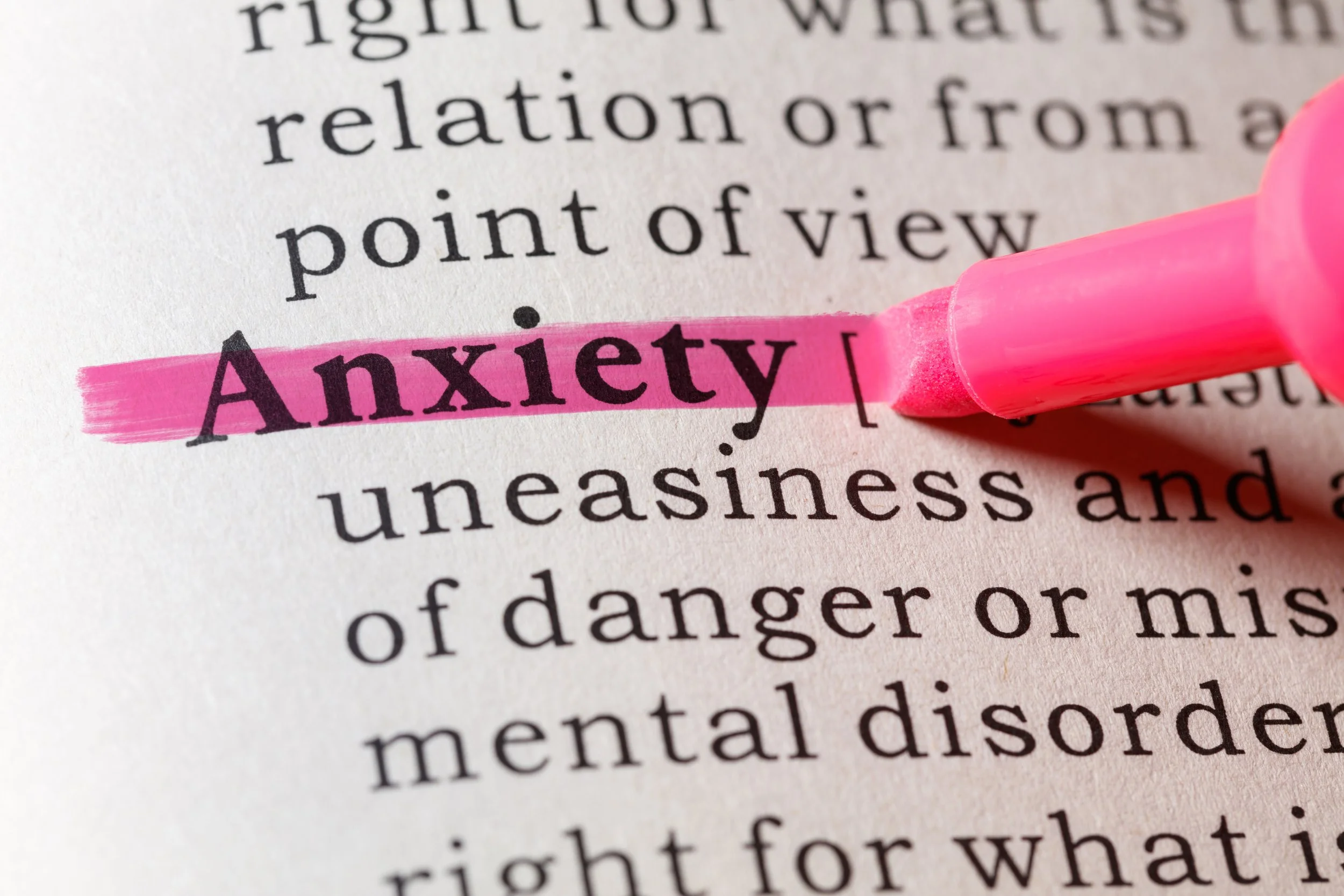
Understanding Anxiety: A Survival Signal, Not a Flaw
Anxiety is universal. Even those who seem cool, calm, and collected experience it. And for good reason — anxiety is necessary for our survival. That’s right: anxiety is necessary.
Is it pleasant? No.
Fun? Not really.
Embarrassing? Sometimes.
But it’s also unavoidable, necessary, and even useful.
The goal isn’t to eliminate anxiety. It’s to understand it, tolerate it, and even use it to our advantage when it shows up.
Anxiety is universal. Even those who seem cool, calm, and collected experience it. And for good reason — anxiety is necessary for our survival. That’s right: anxiety is necessary.
Is it pleasant? No.
Fun? Not really.
Embarrassing? Sometimes.
But it’s also unavoidable, necessary, and even useful.
The goal isn’t to eliminate anxiety. It’s to understand it, tolerate it, and even use it to our advantage when it shows up.
What Exactly Is Anxiety?
Anxiety is our body’s built-in alarm system. It’s the tingle in our toes, the butterflies in our stomach, the sweating, the quickened breath. These physical reactions are our body’s way of saying:
“Hey, pay attention! Something’s going on here.”
Think about our ancient ancestors. Anxiety helped them survive in dangerous, unpredictable environments. Imagine hunting for food — you had to stay alert and aware of every sound and movement. That tingle on the back of your neck could mean the difference between life and death. The racing heart, the adrenaline rush — all of it prepared the body to fight, flee, or freeze.
Thankfully, most of us aren’t dodging predators these days. But our modern “threats” — social situations, deadlines, tests, uncertainty about the future — trigger the same biological response.
Anxiety isn’t a character flaw or personal weakness; it’s biology. We are literally wired to survive. So if you’re one of the “lucky” ones who feels anxiety strongly, give your body a high-five — it’s just doing its job.
When Anxiety Overreacts
Sometimes, though, anxiety misfires. It warns us of danger when there isn’t any. It convinces us to avoid things we actually want to do. It makes us feel stuck, small, or alone.
But here’s the key: anxiety is a messenger, not the enemy.
Once we understand that, we can start building tolerance.
Breaking the Cycle of Avoidance
When we feel anxious or uncomfortable, our instinct is to avoid whatever’s causing it. Avoidance gives us temporary relief — we feel better for a moment, so our brain learns, “Ah, that worked!”
Unfortunately, this reinforces the idea that the situation was dangerous. The next time we face something similar, the anxiety hits even harder. This creates a cycle of anxiety → avoidance → more anxiety.
To break that cycle, we have to do something counterintuitive:
Face the discomfort — on purpose.
Building Tolerance Through Practice
One of the most effective ways to manage anxiety is to increase our tolerance by gradually placing ourselves in anxiety-provoking situations.
Yes, it’s uncomfortable — but that’s the point. Growth always feels that way at first. When the anxiety rises, remind yourself:
“I can handle this. This isn’t actually dangerous.”
Try small “comfort zone challenges” to build that muscle:
Start a conversation with a stranger.
Try a new hobby that feels intimidating.
Attend an event alone.
Share your opinion.
Take a cold shower.
Wear something you wouldn’t normally wear.
As you do, notice what happens in your body — where you feel the tension, what thoughts arise. Then, a few minutes later, notice how the intensity starts to fade.
You’re surviving the moment — and that’s how tolerance grows.
The Bottom Line
Anxiety isn’t a flaw to fix — it’s a signal to understand. When we learn to listen to it, tolerate it, and move through it, we reclaim our power.
Anxiety may never disappear entirely, but it doesn’t have to control your life. You can coexist with it — and even thrive because of it.
Would you like some more support to guide you through your recovery? Reach out to our office today and make an appointment.

Can You Fix Your Family?
I have noticed a significant reoccurring pattern in several of my client’s stories these past few weeks and thought it might be helpful to share my thoughts on this with others.
There are some amazing families out there who are loving, securely attached, have healthy boundaries, and fulfill individual emotional needs in balanced ways.
The short answer is no. You cannot fix your family.
I have noticed a significant reoccurring pattern in several of my client’s stories these past few weeks and thought it might be helpful to share my thoughts on this with others.
There are some amazing families out there who are loving, securely attached, have healthy boundaries, and fulfill individual emotional needs in balanced ways. They handle big feelings and give grace for the human imperfections that are in even the best of us. They address conflicts and repair hurts in relationships. Yet, many of the adult clients who end up in my office do not come from such a family. Often, a big part of their recovery is identifying patterns they learned from their family of origin, such as attachment styles, communication, and handling conflict.

I love this quote from Brené Brown, Rising Strong, about an exercise that she does with people:
“Folks write down the name of someone who fills them with frustration, disappointment, and/or resentment, and then I propose that their person is doing the best he or she can. The responses have been wide-ranging...One woman said, 'If this was true and my mother was doing the best she can, I would be grief-stricken. I'd rather be angry than sad, so it's easier to believe she's letting me down on purpose than grieve the fact that my mother is never going to be who I need her to be.'"
The bad news is that you cannot heal the dysfunction in the family you grew up in. If that was hard to read, read it again. It is not your role to save your parents/caregivers now, nor should it ever have been your job growing up. Let that responsibility go. It is keeping you stuck, sick, and sad. Maybe they will change and maybe they won’t. It is not up to you and it never was.
There is a very real grief process that comes along with the acceptance of that reality. All of us have expectations and dreams about what we hope life looks like, and this includes our family relationships. To lead healthy and wholehearted lives, we must make peace with the very real limits of others.
The good news is that you can change your own life.
You can grow.
You can parent differently and stop those generational patterns.
You can accept yourself as worthy of love and belonging.
You can freely give empathy because of the struggles you endured.
You are not doomed to repeat the past.
You can learn new ways to communicate.
You can set boundaries.
You can take the good parts of your family and limit the parts that are harmful.
You can make a new family.
You can cultivate authentic relationships based on love, emotional/physical safety, deep connection, grace, compassion, courage, joy, and showing up for each other. Not sure where to start? Give our office a call at 309-713-1485.

Nutritional and Integrative Interventions
How often do we read these mental health statistics and think that the only “cures” are pharmaceutical interventions?
Anxiety disorders are most common mental illness in US affecting 40 million adults (ADAA)
Depression affects 322 million adults worldwide
1 of every 6 adults will suffer depression in their lifetime
Nutritional and Integrative Interventions
(Depression, Anxiety, Bipolar and ADHD)
How often do we read these mental health statistics and think that the only “cures” are pharmaceutical interventions?
Anxiety disorders are most common mental illness in US affecting 40 million adults (ADAA)
Depression affects 322 million adults worldwide
1 of every 6 adults will suffer depression in their lifetime
Nutritional psychology is an emerging field that outlines how nutrients can affect mood and behavior. Many clients will see a reduction in symptoms when integrating non-pharmaceutical interventions to treat depression, anxiety, bipolar disorder and even ADHD.
It is possible to accelerate your therapeutic results by viewing the whole person:
Food: the good, the bad and the fake
Stress: A holistic approach
Exercise: Elevate serotonin and regulate stress hormones
Sleep: The 4 habits critical to sleep
Research shows that Mediterranean lifestyle--diet, physical activity, and socializing helps improve mental health/depression.
Sugar addiction--sugar as a substance releases opioids and dopamine which suggest an addictive potential
Fake nutrition--alcohol, junk food, snacks, sugar, soft drinks, white foods
Stress management--meditation, exercise, deep breathing, mindfulness, music, “ditch the screens”
Exercise--pick activity you enjoy, find a buddy, set a goal, start out slow
4 Sleep habits--adults need 7-9 hours of sleep in a dark, cool room. No caffeine after noon. Avoid electronic devices one hour before bedtime. Create a bedtime ritual.
“Let food be your medicine and medicine be your food.”---Hippocrates
S.A.D.--Standard American Diet is not recommended
High--Meat at center of plate, processed foods and simple carbohydrates
Low--healthy fats, fruits and vegetables
Healthy fats are important for brain health--avocado, coconut oil, EVOO, ghee
Proteins are important for brain health--fish, grass fed beef, eggs, nuts, seeds legumes
You can greatly increase your therapeutic results by addressing core physical and nutritional needs with a qualified counselor. You will discover the nutrients most essential to healthy brain function, treating depression and anxiety, and learn simple strategies that can be integrated with pharmaceutical interventions.
We have just scratched the surface here. There is so much more research and information about nutrition and mental health available. Professional counselors want to help you decipher and incorporate these practices into your life.
If you are interested in taking the next step in your mental and physical health, I have training in nutritional and integrative interventions. Give our office a call at 309-713-1485 or email info@summitfamily.net. I look forward to finding solution together!

Ambiguous Loss: What Is It?
Dr. Pauline Boss, PhD, from University of Minnesota, has spent most of her career studying and writing books about ambiguous loss. Have you considered how your life be impacted by an ambiguous loss? The following article is a brief summary of her findings.
Ambiguous Loss: What Is It?
Dr. Pauline Boss, PhD, from University of Minnesota, has spent most of her career studying and writing books about ambiguous loss. Have you considered how your life be impacted by an ambiguous loss? The following article is a brief summary of her findings:
What is an Ambiguous Loss?
Loss that remains unclear
Ongoing and without clear ending
Can’t be clarified, cured, or fixed
Ambiguous loss can be physical or psychological, but there is incongruence between absence/presence
Contextual: The pathology lies in a context or environment of ambiguity (pandemic, racism)
Two Types of Ambiguous Loss
Physical Absence with Psychological Presence--Leaving without saying goodbye
Catastrophic: disappeared, kidnapped, MIA
More common: leaving home, divorce, adoption, deployment, immigration
Psychological Absence with Physical Presence--Goodbye without leaving
Catastrophic: Alzeimer’s disease and of dementias, brain injury, autism, addiction
More Common: homesickness, affairs, work, phone obsessions/gaming, preoccupation with absent loved one
What Ambiguous Loss is NOT:
Death
Grief disorder
PTSD
Complicated grief
Ambivalence (different that ambiguous)
Examples of Ambiguous Loss Caused by Pandemic--loss of who we have been, what we have been doing, having control over lives, loss of our world view as safe place.
Our usual agency
Control over our usual personal, family, and work life
Our in person relationships
Our job; loss of money and financial security
Our sense of safety
The ability to control how much time we spend with family and friends
Ability to gather physically together in large numbers for worship, sports, concerts
Are you struggling with ambiguous loss? Our team of professionals at Summit Family Therapy can help. Give our office a call at 309-713-1485 or email info@summitfamily.net. You do not have to go through this alone.

We Are Growing! Meet Our New Counselors
2020 has been a very challenging year for the mental health of our community. Mental Health America reports that anxiety and depression rates have increased at an alarming pace, self harm and suicide are on the rise, people are struggling more with isolation and loneliness, and rates of anxiety, depression, and suicidal ideation are increasing for people of all races and ethnicities.
We Are Growing! Meet Our New Counselors
2020 has been a very challenging year for the mental health of our community. Mental Health America reports that anxiety and depression rates have increased at an alarming pace, self harm and suicide are on the rise, people are struggling more with isolation and loneliness, and rates of anxiety, depression, and suicidal ideation are increasing for people of all races and ethnicities. Numbers demonstrate that from January through September, pandemic enduring youth ages 11-17 have been more likely than any other age group to report moderate to severe symptoms of anxiety and depression and have the highest rates of suicidal ideation, especially LGBTQ+ youth. The number of youth reaching out for help is also increasing. Black or African Americans report the highest average percent change over time for anxiety and depression, while Indigenous Americans have had the highest average percent change over time for suicidal ideation.
We are very excited to announce that two seasoned counselors have joined our practice! Our hope is that we are able to support even more people who are struggling during the pandemic through this expansion, especially youth, families, and adults.

Erica Ray, M.Ed., LCPC
Erica Ray, M.Ed., LCPC, earned her Master of Arts in Education, School Counseling, from The University of Akron. She brings to our practice her experience with counseling in a school setting, developing wilderness experiences for at risk youth, therapeutic boarding school programming, collaborating with the Department of Child and Family Services, and has training in Trauma Focused CBT. Her client areas of focus are school aged children, teens, and adults. She has full time hours available to see clients.

Jayshree Panchal, MA, LCPC
Jayshree Panchal, MA, LCPC, graduated from Bradley University with a Master of Arts in Human Development Counseling. She brings many years of experience counseling adolescents, college students, and adults. She uses trauma informed approaches to treat grief and loss, improve relationships, assist with college preparation, and enhance career development. She has practiced in many settings, including schools, career centers, hospital units, and community mental health. She is practicing with us part time on evenings and weekends.
Please join us in celebrating this milestone for our practice. We know it is harder right now to find a counselor who is taking new clients because of the pandemic increasing the demand for services. If you are interested in scheduling a counseling session for yourself or your child, give us a call today at 309-713-1485 or email info@summitfamily.net.

Life Transitions: 8 Tips for Getting Through Tough Times
Life transitions are usually life changing events that cause us to re-examine our present sense of who we are. Although life transitions can happen at any age, many people will experience significant life transitions during mid-life or at retirement.
What is a Life Transition?
Life transitions are usually life changing events that cause us to re-examine our present sense of who we are. Although life transitions can happen at any age, many people will experience significant life transitions during mid-life or at retirement.
Examples of Life Transitions
Getting married
Pregnancy / Becoming a parent
Divorce or relational separation
Leaving parent’s home or moving to new home
Empty nest syndrome
Change in career or loss of career
Health changes / serious illness
Significant loss (person, pet, or anything important)
Retirement
If Life Transitions are normal, why do I feel so overwhelmed?
Transition means change. We are resistant to change. Most of us like predictability in our everyday lives. The unknown causes us fear and stress. We feel vulnerable. There can be a sense of grief or loss.
Are there any positives?
Changes, especially difficult changes, can promote personal growth. Dealing with a change successfully can leave a person stronger, more confident and better prepared for what comes next in life. Even unwanted or unexpected changes may produce beneficial outcomes.
You might gain new knowledge or develop new skills as the result of life transition. These changes might allow you to discover what’s important in your life and assist you in achieving greater self-awareness.
Coping with Change
Someone facing change may also experience depression, anxiety, changes in eating habits, trouble sleeping, or abuse of alcohol or drugs. If these symptoms persist or change disrupts normal coping mechanisms and makes it difficult or impossible for person to cope with new circumstances, a person may be diagnosed with an Adjustment Disorder. Symptoms typically begin within 3 months of the stress or change. It’s important to seek immediate assistance if you are engaging in reckless / dangerous behaviors or having thoughts of suicide—call 911.
Therapy for Change
A therapist may incorporate a variety of techniques such as emotionally focused therapy, cognitive behavioral therapy, acceptance commitment therapy or motivational interviewing. A therapist will assist in treating stress, anxiety and depression while exploring new coping strategies with the client.
How can I cope with Life Transitions?
Understand that while Life Transitions are difficult, they can promote positive outcomes
Accept that change is a normal part of life
Identify your values and life goals
Learn to identify and express your feelings
Expect to feel uncomfortable
Take care of yourself
Build a support system
Don’t hurry- focus on rewards
Acknowledge what’s been left behind
If you are struggling with a Life Transition or significant change in your life, you may benefit by engaging in therapy with a professional counselor. Together you can identify your feelings, process the potential changes and formulate goals in order to move forward in your life.

Coping with COVID 19: Is My Current Sadness Really Grief?
Are you having trouble identifying your feelings during the COVID 19 pandemic? You might be experiencing grief. In a recent Harvard Business Review, foremost expert on grief and author David Kessler, states there is a 6th stage of grief. Kessler co-wrote with Elisabeth Kubler-Ross about the 5 stages of grief—denial, anger, bargaining, depression and acceptance. In Kessler’s new book, Finding Meaning: The Sixth Stage of Grief, he says that after acceptance stage there can be meaning. He is also the founder of www.grief.com.
Are you having trouble identifying your feelings during the COVID 19 pandemic? You might be experiencing grief. In a recent Harvard Business Review, foremost expert on grief and author David Kessler, states there is a 6th stage of grief. Kessler co-wrote with Elisabeth Kubler-Ross about the 5 stages of grief—denial, anger, bargaining, depression and acceptance. In Kessler’s new book, Finding Meaning: The Sixth Stage of Grief, he says that after acceptance stage there can be meaning. He is also the founder of www.grief.com.
Kessler states that:
We are feeling a number of different griefs, it feels like the world has changed and it has. We are hoping it’s only temporary but it doesn’t feel that way. There’s a loss of normalcy; fear of economic toll; and the loss of connection. We are not used to this kind of collective grief in the air.
We may also be feeling anticipatory grief because the future is uncertain. Typically, this happens with an impending death or receiving a dire diagnosis. Anticipatory grief is confusing. We know there’s potential for bad things to happen. We sense a loss of safety, but we can’t see it. We no longer feel safe.
It’s important to understand that there isn’t a map for grief or for the grieving. People manage their grief in different ways and in unpredictable timelines. I won’t get the virus—denial. I have to miss my activities and stay home—anger. If I social distance for two weeks, I’ll be fine—bargaining. Will this ever end? —sadness. Ok, I have to figure this out—acceptance. We find power in acceptance.
Unhealthy anticipatory grief is really anxiety about the unknown. We imagine future worst-case scenarios. We don’t want to dismiss this anxiety. The goal needs to be finding balance in the things you are thinking. Not everyone who gets sick, will die. By staying in the moment, being mindful, you can calm yourself. Name five objects in the room. Breathe. I’m okay.
Let go of what you can’t control. Be compassionate. Be patient. People aren’t their “normal selves right now.” The most troubling part of this pandemic is the open-endedness of the situation. This is temporary even though it feels like forever.
Kessler identifies the sixth stage as finding meaning after acceptance. We want/need to find meaning in suffering. This might look different to different individuals, groups, and societies depending on their circumstances and experiences.
Take time to feel your emotions, name them and allow them to move through you. Leave the “would of, could of, should of” out of your feelings.
Most of us tend to identify grief in relation to a death. Grief can also be experienced from any loss —loss of relationship, loss of job/career, loss of home, loss of financial security, loss of a pet, and loss of a dream.
If you or someone you know is struggling with grief, it’s important to seek out professional help with a qualified therapist. What has been your hardest loss to cope with?
Resources
Berinato, S. (2020, March 23). That discomfort you’re feeling is grief. Harvard Business Review. https://hbr.org/2020/03/that-discomfort-youre-feeling-is-grief

Tele-what? Taking the Mystery Out of Telehealth Counseling
Life in the time of COVID. There are a multitude of extra stressors that are occurring right now. People are being stretched in ways that they didn’t know existed. You might be feeling totally exhausted, stressed to the brim, anxious about what is to come, having issues with everyone in your family being stuck in the house, or feeling like things are out of control. On top of this — the typical things in your life are still going on.
Now, more than ever, people need to be aware of their mental health, how it has been affected, and what resources are available to help combat this.
Life in the time of COVID. There are a multitude of extra stressors that are occurring right now. People are being stretched in ways that they didn’t know existed. You might be feeling totally exhausted, stressed to the brim, anxious about what is to come, having issues with everyone in your family being stuck in the house, or feeling like things are out of control. On top of this — the typical things in your life are still going on.
Now, more than ever, people need to be aware of their mental health, how it has been affected, and what resources are available to help combat this.
Tele-counseling is one option for working through your struggles, emotions, frustrations, or just processing through this difficult time. Like traditional counseling, telehealth provides the same support and encouragement that you would receive in an in-person session and allows you to maintain physical safety, follow the social distancing guidelines, and still receive the help you need.
Tele-counseling is different, there’s no denying that. However, current research suggests that tele-counseling is just as effective as traditional counseling. A study completed by Andrews, Basu, Cuijpers, Craske, McEvoy, English, and Newby in 2018 compared traditional Cognitive Behavior Therapy to internet-based Cognitive Behavior Therapy and found that both were equally effective for treating anxiety and depression.
Let’s answer some questions about tele-counseling!
Tele-counseling won’t be as personal as in-person.
Your therapist will work to ensure that the same therapeutic relationship is provided though the tele-counseling session. Your therapist will use the same skills and training that are used in a typical session to understand you and your goals, provide the therapeutic relationship, and help you to feel supported.
How do I know that this is private?
Summit Family Therapy uses a secure, HIPAA-compliant service to provide the video connection for therapy. The therapist will be in an office, the same as if you were in the office.
There are some tips to provide privacy on your end. Some people have private space in their home. You can use headphones to ensure that others are not able to hear the therapist’s responses. You might consider leaving your home and finding a different quite space. Use this as an opportunity to get out of the house while respecting social distancing. Maybe take a drive and stop somewhere with a nice view, a park, or your favorite spot. The beauty of tele-counseling is that you can be anywhere, as long as you have internet and privacy.
I don’t have a computer with a camera.
Great news! You don’t need to have a computer. You are able to use your phone, tablet, or other device to participate in your tele-counseling session. There is an easy to download app for both IOS and Android that can be downloaded to any device with a working camera. If you have trouble with this, we can support you through getting this downloaded and coaching you over the phone.
I am not tech-savvy, this will be too difficult.
The program we use is simple and easy to use. You will get a link to your email to go to your private, virtual waiting room. When it is time for your session, the therapist will join you there — just like when they would find you in the office waiting room. Once you are in the session, there is nothing more you need to do.
What if I don’t like it?
Just like any therapy, if you aren’t happy, you don’t need to continue. If you find that you are feeling uncomfortable during the session, bring this up! Your therapist can help to process this and help you to make the best decision, for you, to move forward.
What are the benefits of tele-counseling?
Just like any therapy, this is a relationship and the same benefits exist; however, there are added benefits of using tele-counseling:
• You can attend sessions from anywhere • There is no drive time to the office •
• More flexibility in scheduling • Less risk of exposure to illness •
• Easy to access • Limited wait time •
• No need to change out of your pjs • Be in the comfort of your own space •
More questions?
Do you have more questions? Would you like to talk to a professional about what tele-counseling would be like for you? Give us a call and we would happy to talk more about how tele-counseling can change your life!
Resources
Andrews, G., Basu, A., Cuijpers, P., Craske, M., McEvoy, P., English, C., & Newby, J. (2018). Computer therapy for the anxiety and depression disorders is effective, acceptable and practical health care: An updated meta-analysis. Journal of Anxiety Disorders, 55, 70-78. https://doi.org/10.1016/j.janxdis.2018.01.001be