


Codependency vs. Healthy Dependency: Understanding the Difference
In recent years, the term codependency has made its way into everyday language. It’s often used casually to describe “needy” behavior or intense attachment, but clinically, codependency is a complex relational pattern rooted in early experiences, trauma, and fears of abandonment. At the same time, humans are wired for healthy dependency — the mutual reliance that strengthens secure relationships.
In recent years, the term codependency has made its way into everyday language. It’s often used casually to describe “needy” behavior or intense attachment, but clinically, codependency is a complex relational pattern rooted in early experiences, trauma, and fears of abandonment. At the same time, humans are wired for healthy dependency — the mutual reliance that strengthens secure relationships.
One of the most important tasks in therapy is helping people distinguish between these two experiences. Understanding the difference is essential for building relationships that feel supportive, balanced, and emotionally safe.
What Is Codependency?
Codependency is commonly defined as a relational pattern in which one person becomes excessively emotionally or psychologically reliant on another—typically to the point of sacrificing their own needs, boundaries, or identity (Beattie, 1987; Cermak, 1986).
Key characteristics of codependency often include:
Difficulty saying no
Feeling responsible for others’ emotions or choices
Fear of abandonment or rejection
Self-worth tied to being needed
People‑pleasing to avoid conflict
Difficulty expressing personal needs
A pattern of choosing partners who are emotionally unavailable, unpredictable, or struggling with addiction
Cermak (1986) describes codependency as a “chronic pattern of dysfunctional caring,” where caretaking becomes compulsive and self-neglect becomes normalized.
In trauma‑informed terms:
Codependency often develops when early relationships required a child to be hyper-attuned to caregivers’ emotional states. In adulthood, this can transform into relationships driven by anxiety, over-functioning, or emotional enmeshment.
What Is Healthy Dependency?
Healthy dependency—also known as interdependence or secure dependence—is a natural, necessary part of human relationships.
Attachment science shows that humans are biologically wired for closeness, comfort, and co-regulation (Bowlby, 1988; Johnson, 2004). Healthy dependency is not weakness; it’s a sign of relational security.
Healthy dependency includes:
Mutual support and shared emotional labor
Freedom to express needs without fear
Balanced give-and-take
Maintaining individuality while staying connected
Respect for personal boundaries
Trust that the relationship can withstand honesty and conflict
Dr. Sue Johnson (2004), creator of Emotionally Focused Therapy, emphasizes that emotionally healthy adults “depend on each other without losing themselves.”
Codependency vs. Healthy Dependency: The Core Differences
1. Identity
Codependency: Sense of self becomes defined by caregiving, approval, or “being needed.”
Healthy Dependency: Both people maintain autonomy while staying emotionally connected.
2. Boundaries
Codependency: Blurred boundaries, difficulty saying no, fear that needs will push others away.
Healthy Dependency: Clear boundaries, comfort expressing limits and preferences.
3. Emotional Responsibility
Codependency: Feeling responsible for managing another person’s mood, choices, or reactions.
Healthy Dependency: Supportive but grounded—each person is responsible for their own emotional regulation.
4. Reciprocity
Codependency: One-sided giving, often driven by fear or obligation.
Healthy Dependency: Mutual responsiveness and shared emotional labor.
5. Motivation for Care
Codependency: Caregiving is tied to worthiness, fear of loss, or unresolved trauma patterns.
Healthy Dependency: Caregiving is grounded in love, respect, and authentic connection.
Why This Distinction Matters
When people confuse healthy dependency with codependency, they may:
Feel ashamed for having emotional needs
Avoid closeness to prevent “codependency”
Internalize the belief that needing others is a flaw
Over-correct by becoming hyper-independent
Hyper-independence can actually be a trauma response (Tummala‑Narra, 2007), not a sign of strength.
Recognizing the difference allows individuals to:
Build secure, emotionally safe relationships
Set healthier boundaries
Practice mutual vulnerability
Cultivate relational resilience
Moving Toward Healthy Dependency
Healing often involves shifting from fear-driven relating to connection grounded in security and self-worth. Some therapeutic steps include:
Identifying early attachment patterns
Practicing boundary-setting
Learning to tolerate uncomfortable emotions without over-functioning
Rebuilding self-worth separate from caretaking
Developing relationships with mutual emotional responsiveness
Therapy can be a powerful place to practice these skills and unlearn patterns that once felt necessary for survival.
Conclusion
Codependency is not simply “needing someone too much” — it is a pattern rooted in fear, trauma, and the belief that love is earned through self-sacrifice. Healthy dependency, on the other hand, is a sign of emotional maturity and secure attachment.
You are meant to lean on others. The goal is not to avoid dependency, but to practice it in ways that honor both your needs and your partner’s.
If you recognize codependent patterns in your own life, know this: healing is absolutely possible, and you are worthy of relationships built on safety, balance, and genuine connection.
References
Beattie, M. (1987). Codependent no more: How to stop controlling others and start caring for yourself. Hazelden.
Bowlby, J. (1988). A secure base: Parent-child attachment and healthy human development. Basic Books.
Cermak, T. L. (1986). Diagnosing and treating co-dependence. Alcoholism Treatment Quarterly, 4(1), 5–52.
Johnson, S. (2004). The practice of emotionally focused couple therapy: Creating connection. Brunner-Routledge.
Tummala‑Narra, P. (2007). Conceptualizing trauma and resilience across diverse contexts. Journal of Aggression, Maltreatment & Trauma, 14(1-2).

Parasocial Codependency
If you grew up in the 20th Century, maybe you had a Hulk Hogan poster. If you were the political type then, maybe you had a poster of JFK, Eisenhower, Ronald Reagan, Bill Clinton, or James Carville. If you grew up in the 1990s, maybe you had Lisa Frank artwork, Mary Kate & Ashley posters, and perhaps a Super Mario 64 poster. This was the era before the proliferation of the internet and personal computing en masse.
If you grew up in the 20th Century, maybe you had a Hulk Hogan poster. If you were the political type then, maybe you had a poster of JFK, Eisenhower, Ronald Reagan, Bill Clinton, or James Carville. If you grew up in the 1990s, maybe you had Lisa Frank artwork, Mary Kate & Ashley posters, and perhaps a Super Mario 64 poster. This was the era before the proliferation of the internet and personal computing en masse. Fast forward to the 20 teens and the era postpandemic. There’s a different feeling altogether about what the celebrity culture/celebrity objects happen to be across the board. With the tiktok and Instagram era in full force. There’s no need for posters. The content is on its way in real time. Maybe the content isn’t even from a real person. Maybe the influencer is an artificial intelligence.

From a mental health standpoint, who you let in your life is a risky business. As a psychotherapist and a lifelong student of humanity and the human experience. I can say that “I thought they were my friend” can be a famous set of last words or painful words displaying a since of great regret. Unfortunately, some of the worst folks we can let into our life are people we never meet: the influencers. We start to lose sight of what we value. We start to value what we value. The parasocial relationship creates a codependency. A parasocial codependency.
When Susie’s favorite twitch streamer died. She bawled her eyes out. Her husband reached out to her best friend to check on her. Susie was fine. However, Susie’s grief was almost rivalling that of a family member’s. Susie became depressed and her depressive episode lasted a solid month. Despite never meeting this person, Susie found themselves in a deep sorrow for a long time.
When Jim was focused on choosing a college major he didn’t do what he actually wanted to do. He picked up a course of study that his favorite political commentator recommended he do. His favorite commentator kept calling college a scam. He never met this person. But, he figured he’d chose something other than college. He entered a trade school program that he eventually had to drop out of due to an injury. He found himself back in college studying something he had a passion for that led to a career that was more traditional.
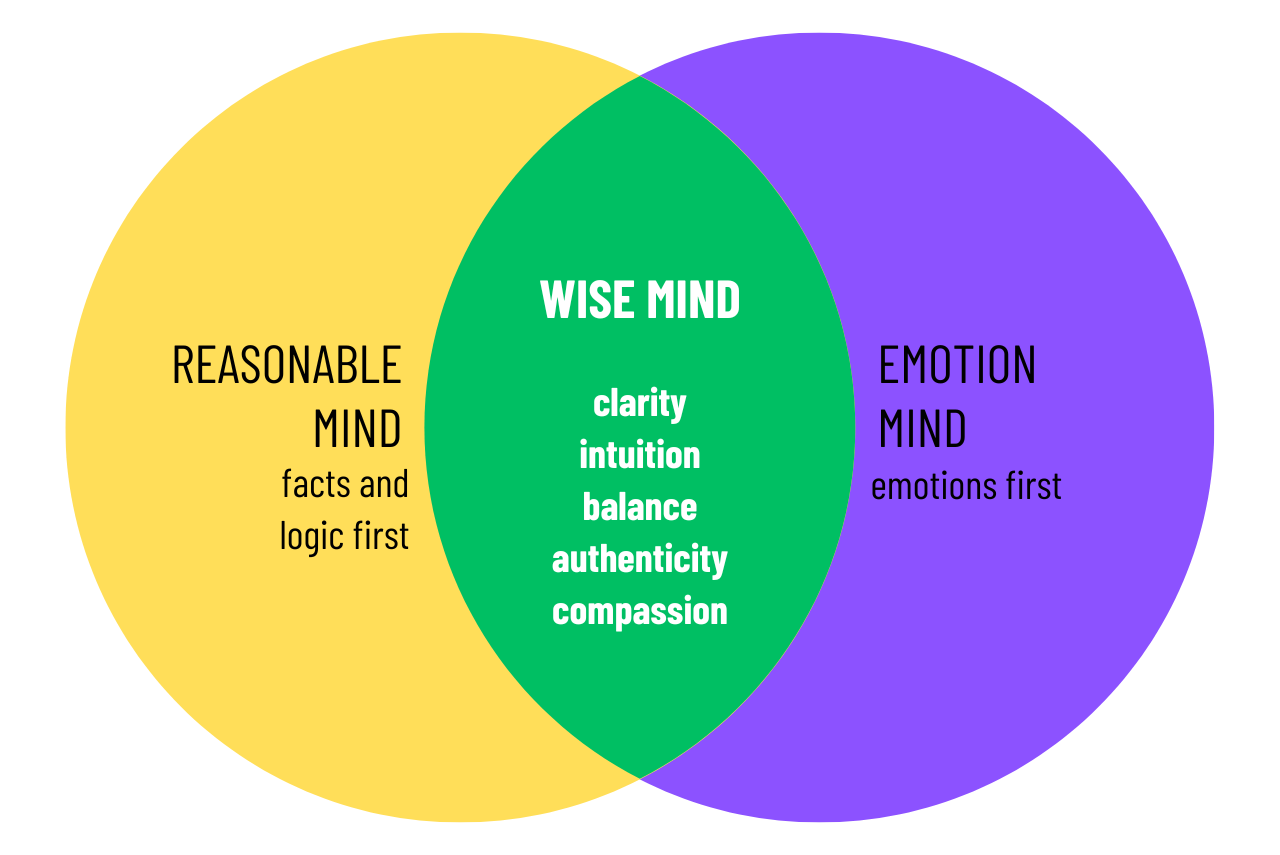
Two schools of therapy I pull from frequently to inform my work are dialectical behavioral therapy and acceptance and commitment therapy. Both of these schools of thought lean into the idea of psychological flexibility. Influencers, pundits, commentators, whatever you want to call them can destroy psychological flexibility. Instead of you using your wise mind from DBT or considering what you actually value for yourself via the hexaflex from ACT..you are thinking about what whoever on TikTok, Fox, Instagram, CNN, or MSNBC are telling you to think about. Your thoughts are replaced with whatever you are being told to think about. In an earlier piece I wrote about reparenting, I mention the need to identify your values after toxic parenting. In the 21st century if you are putting your life on hold due to some person telling you about their try on haul from Shein or a political commentator telling you there’s no hope unless you buy into their platform or manifesto without critical thinking….(ignore the man behind the curtain: L. Frank Baum’s Wizard of Oz (1900) you likely need to due some similar interventions to break out of this negative pattern.
Maybe you know someone who is being radicalized by an influencer. If you do, have a conversation about how their parasocial codependency is robbing them of their agency and how the person they are..the original work of art they are, is fading into a product of the dark machinery of this century.
I’m asking you to trust yourself more. Make your own decisions. Put Instagram behind, the news apps away and give your love ones a hug. If you are single, bet on yourself and ask that person out you are interested in. If you are hungry for new realities, bet on yourself. Just take an action, make a move. One of the greatest, yet much maligned, and misunderstood authors of the 21st century Hunter S. Thompson said it best.
“A (person) man who procrastinates in his choosing will inevitably have (their) his choice made for (them) him by circumstance.”
― Hunter S. Thompson, The Proud Highway: Saga of a Desperate Southern Gentleman, 1955-1967