

What If Your Hardest Feelings Are Trying to Help You?
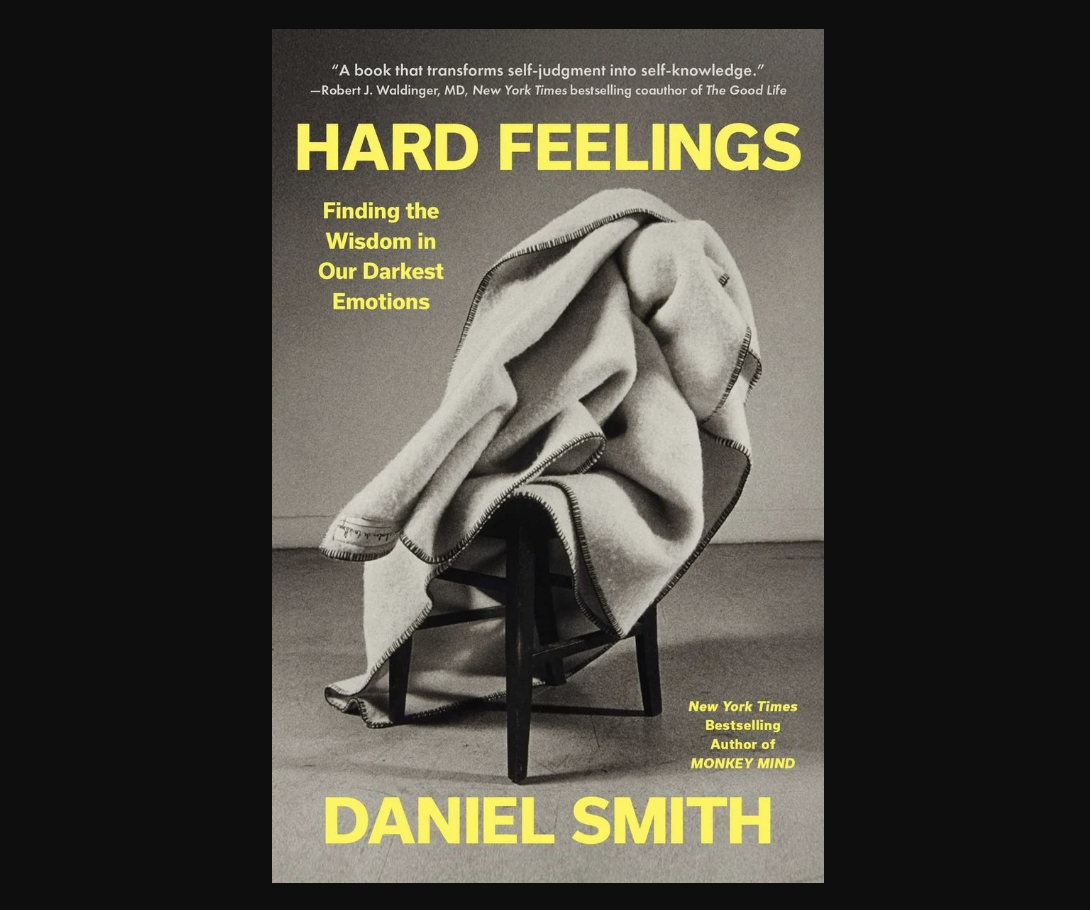
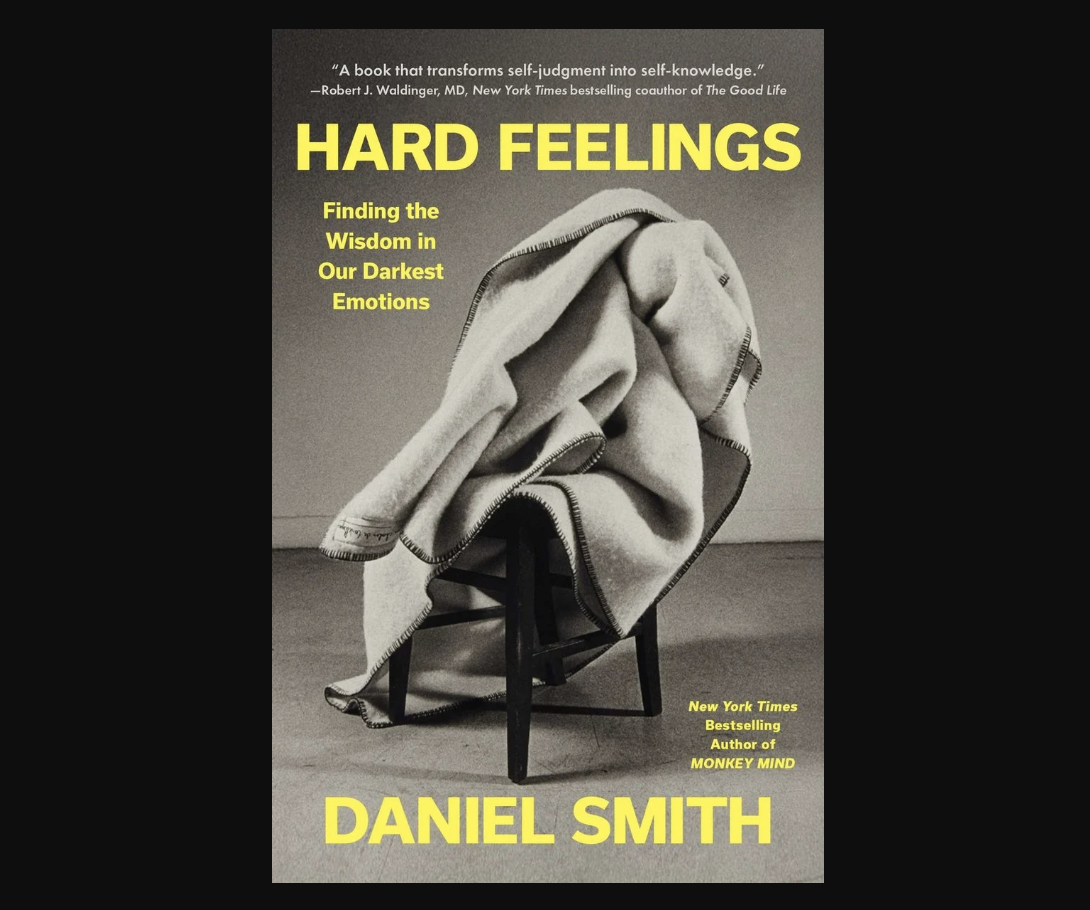
In his newest book, Hard Feelings: Finding the Wisdom in Our Darkest Emotions, psychotherapist and author Daniel Smith invites us to reconsider something most of us have spent years trying to avoid: our so‑called negative emotions. Rather than treating anger, shame, envy, regret, jealousy, annoyance, boredom, or despair as problems to eliminate, Smith makes a compelling and deeply humane case that these emotions serve an essential purpose—if we are willing to listen to what they are trying to tell us.
In his newest book, Hard Feelings: Finding the Wisdom in Our Darkest Emotions, psychotherapist and author Daniel Smith invites us to reconsider something most of us have spent years trying to avoid: our so‑called negative emotions. Rather than treating anger, shame, envy, regret, jealousy, annoyance, boredom, or despair as problems to eliminate, Smith makes a compelling and deeply humane case that these emotions serve an essential purpose—if we are willing to listen to what they are trying to tell us.
Why This Book Feels So Relatable
One of the reasons Hard Feelings resonates is that it is not written from a place of emotional mastery, but from lived experience. Smith openly shares the contexts that stirred both his self‑consciousness and the emotional urgency behind this book. He traces three pivotal life experiences that forced him to confront emotions he would have preferred to avoid: the sudden end of his marriage, the profound emotional responsibility that came with becoming a parent, and his own aging process—each dismantling the illusion that emotional control alone is enough to live well.
Many of us can recognize ourselves here. We often talk about emotions as if they should be managed away—especially once we’re “adults.” Smith challenges this narrative, suggesting instead that emotional turbulence does not mean something is wrong with us; it may mean something important is happening.
Rethinking “Negative” Emotions
Smith asks a deceptively simple question: What if the emotions we resist the most aren’t obstacles, but guides? He explores emotions such as shame, envy, despair, boredom, and annoyance—not as character flaws, but as signals that illuminate our unmet needs, values, fears, and longings.
Rather than dividing feelings into “good” and “bad,” Smith demonstrates how this binary can actually disconnect us from ourselves. Suppressing emotions rarely makes them disappear; more often, it drives them underground, where they emerge as anxiety, irritability, numbness, or chronic dissatisfaction. From both his clinical work and personal history, Smith illustrates how listening to emotions—rather than silencing them—creates the possibility for insight, integration, and growth.
Practical Takeaways You Can Apply Today
While Hard Feelings is not a step‑by‑step self‑help guide, it offers several practical shifts in how we relate to our emotional lives:
Pause before fixing or dismissing a feeling. Ask, What might this emotion be trying to protect or show me?
Normalize emotional discomfort. Feeling envy, shame, or despair does not mean you are failing—it means you are human.
Notice emotional patterns instead of judging them. Repeated “hard” feelings often point to unresolved grief, unmet needs, or values that are being ignored.
Practice curiosity over self‑criticism. Shame deepens when we attack ourselves for having emotions; it softens when we approach ourselves with compassion.
These practices echo what many therapists see in the therapy room: meaningful change often begins not when emotions disappear, but when they are finally given space to be understood.
Why This Matters for Psychotherapy
Hard Feelings aligns closely with the work of psychotherapy. Therapy is not about removing difficult emotions—it’s about learning how to relate to them differently. Many people seek therapy because their emotions feel overwhelming, confusing, or intrusive. This book gently reframes that experience: emotions are not the enemy; they are information.
In therapy, these “hard feelings” can be explored in a safe, non‑judgmental space. Anger may reveal a violated boundary. Envy may point to a neglected desire. Despair may signal grief that never had room to be felt. When emotions are listened to rather than suppressed, they often become less frightening—and more meaningful.
A Gentle Invitation
If this book resonates with you—if you find yourself exhausted by your emotions, ashamed of them, or unsure how to make sense of them—you don’t have to navigate that alone. Psychotherapy can help transform overwhelming emotional experiences into insight, self‑understanding, and healing. Beginning therapy isn’t a sign that something is wrong; it’s often a sign that something inside you is ready to be heard.
References
Smith, D. (2026). Hard Feelings: Finding the Wisdom in Our Darkest Emotions. Simon & Schuster. [amazon.com]
Simon & Schuster. (2026). Hard Feelings – Official Book Description. https://www.simonandschuster.com/books/Hard-Feelings/Daniel-Smith/9781982103903 [simonandschuster.com]
Altschuler, G. C. (2026). Coping with our “bad” emotions isn’t easy. Psychology Today. [psychologytoday.com]
Zozzaro, P. (2026). Review: Hard Feelings by Daniel Smith. BookTrib. https://booktrib.com/2026/03/03/review-hard-feelings-daniel-smith/ [booktrib.com]