

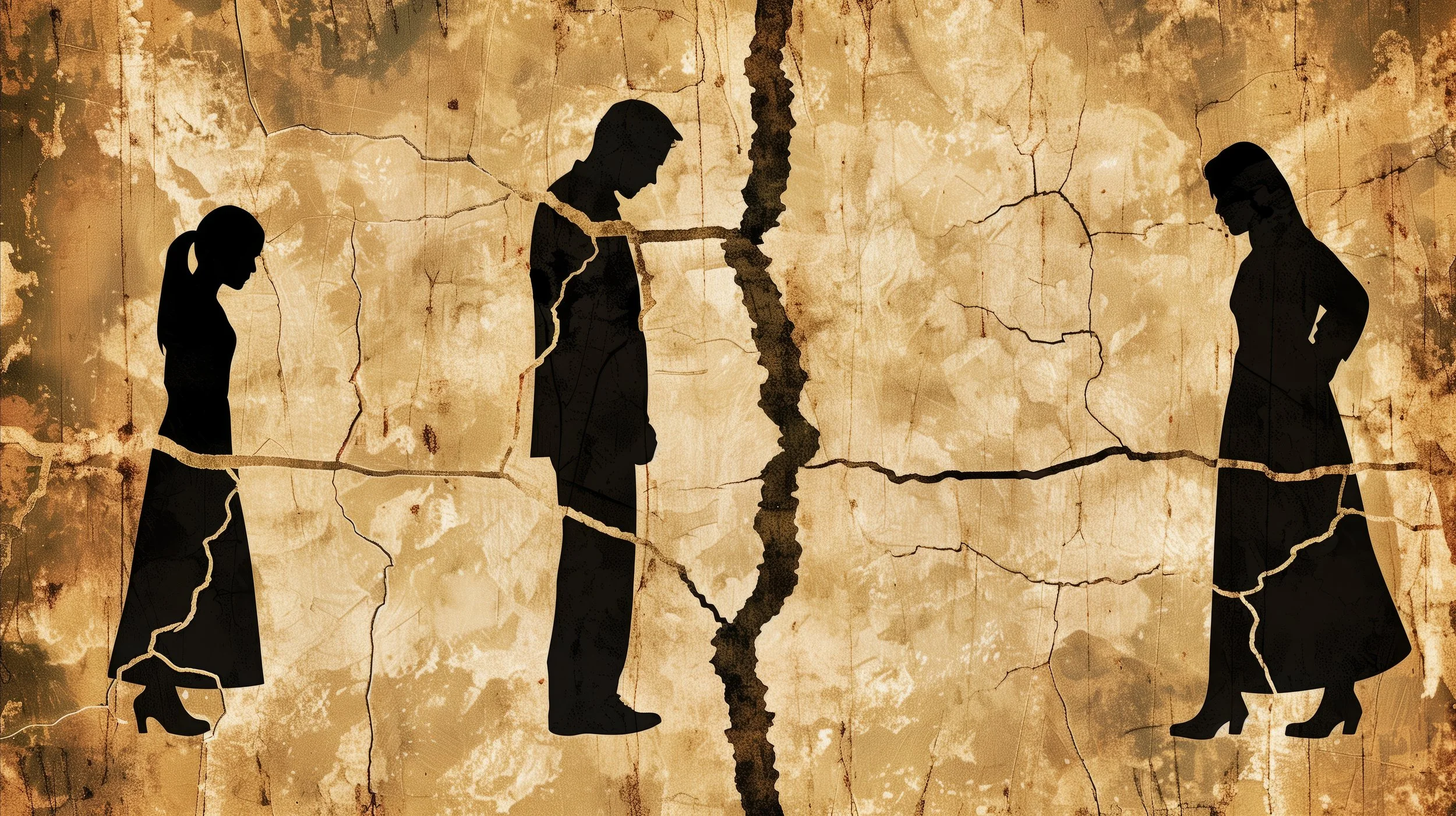
Estrangement and Fractured Families
Family estrangement is one of the most emotionally painful and least openly discussed experiences individuals face across the lifespan. Estrangement is commonly defined as the cessation or significant reduction of regular contact between two or more family members (Agllias, 2017). While often assumed to be permanent, estrangement can be fluid—relationships may move in and out of periods of distance, reconciliation, and renewed rupture over time.
Family estrangement is one of the most emotionally painful and least openly discussed experiences individuals face across the lifespan. Estrangement is commonly defined as the cessation or significant reduction of regular contact between two or more family members (Agllias, 2017). While often assumed to be permanent, estrangement can be fluid—relationships may move in and out of periods of distance, reconciliation, and renewed rupture over time.
Despite its prevalence, estrangement remains highly stigmatized. Many individuals hesitate to speak about fractured family relationships due to the pervasive cultural belief that others have “perfect families.” This silence can deepen feelings of shame, isolation, and self‑doubt, particularly when the estrangement was not mutually chosen.
One‑Sided Estrangement and Adult Child–Parent Relationships
Estrangements can be especially difficult when they feel one‑sided, such as when an adult child decides that the relationship with a parent is too emotionally harmful or complex to maintain. Adult children may choose distance to protect themselves from ongoing conflict, criticism, boundary violations, or unresolved trauma. Parents, in turn, may experience confusion, grief, anger, or disbelief, interpreting the cutoff as rejection or betrayal rather than self‑preservation.
Research suggests that many adult‑initiated estrangements stem from longstanding relational patterns rather than isolated events, including unmet emotional needs, poor communication, or perceived lack of acceptance (Carr et al., 2015).
Intergenerational Patterns of Estrangement
For some families, estrangement is not an isolated occurrence but part of a repeating intergenerational cycle—grandfather to father, father to son. These patterns often reflect unresolved family trauma, rigid relational roles, or inherited beliefs about power, loyalty, and closeness. Without intervention or conscious effort, these fractured dynamics can be unintentionally passed down, normalizing emotional cutoff as a means of conflict resolution.
Values Conflicts and Fear of Rejection
Fear of estrangement may also arise before a rupture occurs, particularly when an adult child makes lifestyle choices that differ sharply from parental values. Differences related to identity, relationships, religion, cultural norms, or personal beliefs can strain family bonds. Individuals may feel torn between authenticity and belonging, asking themselves:
Is it better to stand firm when I cannot change my beliefs, or can I continue to love someone while not approving of their decisions?
These tensions highlight the complexity of family relationships and the emotional labor required to balance personal integrity with relational connection.
Emotional Impact of Estrangement
Family estrangement can evoke emotions similar to ambiguous loss—grief without closure. Individuals may experience sadness, guilt, anger, relief, or a confusing mix of all four. Holidays, life milestones, and social comparisons often intensify this pain, reinforcing the sense of being “different” or excluded from a societal ideal of family unity (Boss, 2006).
Moving Forward: Care, Compassion, and Support
Regardless of the specific circumstances, it is essential to recognize that family estrangement is more common than commonly acknowledged—and that those experiencing it are not alone. Prioritizing self‑care, establishing supportive relationships outside the family system, and seeking professional counseling can help individuals process grief, clarify boundaries, and navigate decisions around contact or reconciliation.
Healing does not require minimizing pain or forcing forgiveness. Instead, it involves honoring one’s emotional experience, cultivating self‑compassion, and making choices that support long‑term well‑being.
References
Agllias, K. (2017). Missing families: The adult child’s experience of parental estrangement. Journal of Social Work Practice, 31(4), 459–474. https://doi.org/10.1080/02650533.2017.1326476
Boss, P. (2006). Loss, trauma, and resilience: Therapeutic work with ambiguous loss. W. W. Norton & Company.
Carr, K., Holman, A., Abetz, J., & Kellas, J. (2015). Giving voice to the silence of family estrangement. Journal of Family Communication, 15(2), 135–152. https://doi.org/10.1080/15267431.2015.1013106
Hill, J. (2023). Family estrangement: Establishing boundaries and navigating loss. Psychology Today. https://www.psychologytoday.com