

After Josh and Joseph Duggar: How High‑Control Religious Environments Can Enable Child Sexual Abuse
Trigger Warning:
This article discusses child sexual abuse, institutional betrayal, and abuse within religious contexts. While no graphic details are included, the subject matter may be emotionally activating for survivors of abuse, religious trauma, or spiritual abuse. Readers are encouraged to proceed at their own pace, take breaks as needed, and seek support if distress arises.
If you or someone you know has experienced sexual abuse, confidential support is available through RAINN (800‑656‑HOPE) or local crisis resources.
Trigger Warning:
This article discusses child sexual abuse, institutional betrayal, and abuse within religious contexts. While no graphic details are included, the subject matter may be emotionally activating for survivors of abuse, religious trauma, or spiritual abuse. Readers are encouraged to proceed at their own pace, take breaks as needed, and seek support if distress arises.
If you or someone you know has experienced sexual abuse, confidential support is available through RAINN (800‑656‑HOPE) or local crisis resources.
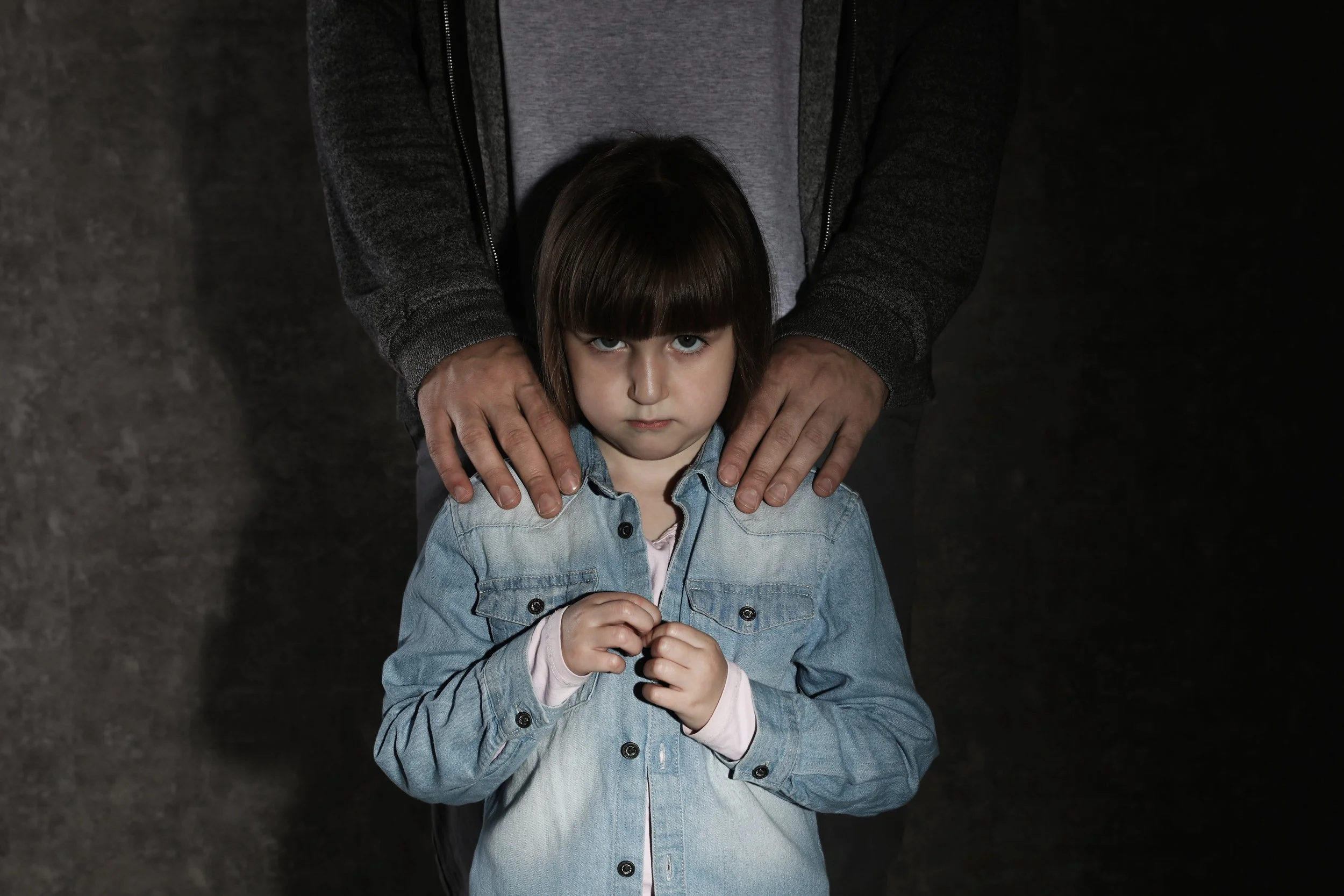
In recent years, the public has been forced to confront deeply troubling stories involving child sexual abuse within highly visible religious families. The most well‑known is Josh Duggar, a former reality television figure who was convicted in federal court for receiving and possessing child sexual abuse material and sentenced to more than twelve years in prison. Years earlier, multiple women—including several of his sisters—had disclosed that Josh Duggar sexually abused them during adolescence, disclosures that were handled internally within the family’s religious community rather than reported to civil authorities at the time.
More recently, public attention has again turned to the Duggar family following the arrest of Joseph Duggar, Josh Duggar’s younger brother, who has been charged with child sexual abuse offenses related to alleged conduct involving a minor during a family vacation in Florida. According to law‑enforcement statements, the allegations surfaced years after the reported incident following a forensic interview and investigation. At the time of writing, these charges remain allegations and have not yet been adjudicated in court.
The presence of multiple abuse cases within the same highly controlled religious and familial system raises necessary and uncomfortable questions—not only about individual perpetrators, but about the environments in which abuse can be minimized, concealed, or reframed as a moral or spiritual issue rather than treated as a criminal act.
This article is not an attack on religion or religious belief. Many faith communities are deeply protective of children and actively engaged in safeguarding, justice, and healing. However, decades of interdisciplinary research demonstrate that high‑control religious environments—across traditions—can unintentionally create conditions that increase vulnerability to abuse and suppress disclosure when abuse occurs.
Why Repeated Cases Matter Clinically and Sociologically
From a trauma‑informed perspective, patterns matter more than individual scandals. When abuse appears repeatedly within the same family system, community, or belief structure, clinicians and researchers are compelled to examine systemic risk factors, not merely individual pathology.
Large‑scale inquiries into religious institutions across multiple countries have consistently identified dynamics that increase risk, including rigid hierarchies, unquestioned authority, internal handling of abuse allegations, and cultural pressure to protect institutional reputation over child safety. These systems often discourage reporting to secular authorities and frame disclosure as sinful, divisive, or damaging to the faith community.
Authority, Obedience, and Grooming in Religious Contexts
Research by Raine and Kent demonstrates that religious environments can contain unique grooming mechanisms that differ from secular contexts. These include spiritualized authority, reverence for leaders, fear‑based beliefs about punishment or divine consequences, and theological rationalizations that can be exploited to silence children and caregivers alike.
Importantly, this research does not argue that religion causes abuse. Rather, it highlights how unchecked power within obedience‑based systems can be misused when transparency and accountability are absent.
Institutional Betrayal and the Cost of Silence
When children disclose abuse and are met with minimization, secrecy, or spiritual reframing instead of protection, the harm deepens. Psychological literature refers to this phenomenon as institutional betrayal—a secondary trauma that occurs when an institution fails to protect those who depend on it.
Institutional betrayal is associated with increased PTSD symptoms, shame, dissociation, and long‑term difficulty trusting authority figures. Survivors frequently report that the response of the institution—family, church, or community—was as damaging as the abuse itself.
It bears repeating:
Religion does not cause child sexual abuse. Abusers do.
At the same time, religious communities can either increase risk or increase protection. Research shows that faith communities become safer when they embrace mandatory reporting, shared leadership, survivor‑centered theology, and external accountability. Many survivors ultimately reclaim spirituality in healthier, less rigid forms when their experiences are believed and validated.
How Friends and Family Can Support Survivors of Sexual Abuse
For many survivors, the most significant factor in long‑term healing is not the severity of the abuse, but how people responded when they disclosed. Supportive responses are protective; harmful responses compound trauma.
Friends and family do not need perfect words or clinical training. What matters most is belief, presence, and respect for the survivor’s autonomy.
1. Believe Them—Without Qualification
The most powerful response is often the simplest: “I believe you.”
Avoid questioning details, playing devil’s advocate, or seeking certainty. Survivors frequently delay disclosure for years due to fear of disbelief or retaliation.
2. Let the Survivor Set the Pace
Avoid rushing to problem‑solve, confront the perpetrator, or push for legal action. Control was already taken from the survivor once. Healing requires that it be returned.
Support means respecting their timeline—even when it is difficult to understand.
3. Avoid Spiritualizing or Minimizing the Harm
Statements such as “God has a plan,” “Everything happens for a reason,” or “You need to forgive” often increase shame and silence. These responses may unintentionally communicate that the survivor’s pain is inconvenient or spiritually inadequate.
Healing is not accelerated by forced meaning‑making.
4. Listen More Than You Speak
You do not need to fix the pain. Survivors benefit most when loved ones listen without interruption, reflect what they hear, and tolerate their own discomfort without redirecting the conversation.
5. Respect Boundaries—Even When They’re Hard
Survivors may limit contact with family members, leave religious spaces, or change long‑standing relationships. These boundaries are not punishments; they are adaptive survival strategies.
6. Encourage Support—Without Pressure
Professional help can be life‑saving, but it should be offered as an option, not a mandate. Practical support—help finding resources, childcare, or transportation—often matters more than advice.
7. Care for Yourself, Too
Supporting a survivor can stir grief, anger, or helplessness. Seeking your own support is not a betrayal—it strengthens your capacity to show up consistently and without resentment.
Moving Forward: What Protects Children
Research consistently identifies protective factors:
Mandatory reporting without religious exemption
Shared leadership and external accountability
Trauma‑informed training for clergy and volunteers
Clear safeguarding policies
Theologies that prioritize human dignity over institutional preservation
When faith communities choose courage over silence, they can become places of genuine safety.
If you our your organization would like information or support around how to respond to child sexual abuse, please reach out to our office.
A Final Word
As a therapist, I sit with adults who were once children silenced by fear, loyalty, or faith‑based shame. Many are not angry at God—they are grieving the protection they were promised and did not receive.
We can honor faith and protect children.
We can respect religion and demand accountability.
And we can listen to survivors without defensiveness.
That is not an attack on religion.
It is an act of moral responsibility.
Reference List
Freyd, J. J. (2018). Institutional betrayal and institutional courage. Journal of Trauma & Dissociation, 19(1), 1–6.
Independent Inquiry into Child Sexual Abuse. (2019). Child sexual abuse in the context of religious institutions. https://www.iicsa.org.uk
Lucia, A. (2025). The Religion & Sexual Abuse Project: An introduction. Religion, 55(4), 761–782. https://doi.org/10.1080/0048721X.2025.2538952
Perry, S. (2024). Religious/spiritual abuse, meaning‑making, and posttraumatic growth. Religions, 15(7), 824. https://doi.org/10.3390/rel15070824
Raine, S., & Kent, S. A. (2019). The grooming of children for sexual abuse in religious settings: Unique characteristics and select case studies. Aggression and Violent Behavior, 48, 180–189. https://doi.org/10.1016/j.avb.2019.08.017
Royal Commission into Institutional Responses to Child Sexual Abuse. (2017). Religious institutions. https://www.childabuseroyalcommission.gov.au
Smith, C. P., & Freyd, J. J. (2014). Institutional betrayal. American Psychologist, 69(6), 575–587. https://doi.org/10.1037/a0037564

When the Past Feels Present: How Epstein Files Coverage Can Shake Trauma Survivors—and How We Can Show Up for Each Other
The public release of the Epstein files has reopened a painful conversation about sexual exploitation, systemic failure, and the countless survivors who have endured these harms in silence. But alongside public outrage and political scrutiny, there’s a quieter, more intimate story unfolding—one happening inside the nervous systems of trauma survivors who are reliving echoes of their own experiences.
The public release of the Epstein files has reopened a painful conversation about sexual exploitation, systemic failure, and the countless survivors who have endured these harms in silence. But alongside public outrage and political scrutiny, there’s a quieter, more intimate story unfolding—one happening inside the nervous systems of trauma survivors who are reliving echoes of their own experiences.
If someone you love seems shaken, or if you feel unsettled and can’t quite explain why, you’re not alone. The emotional weight of stories like these can land hard, and understanding why they do is an important part of healing.

When the News Hits Too Close: Why the Epstein Files Impact Trauma Survivors So Deeply
For many survivors, the coverage surrounding the Epstein case is more than just news—it’s a reminder of harm that was ignored, minimized, or hidden. Psychiatrists have noted that survivors often face a “double jeopardy”: first the abuse, and then the disbelief or dismissal that follows, leaving wounds that can last for decades.
When the media revisits stories involving sexual exploitation, power imbalances, and failures to hold perpetrators accountable, survivors can feel retraumatized—especially when the disclosures include graphic details or emphasize how many warning signs were overlooked. Some of the recently released Epstein materials include sensitive descriptions of sexual assault, making them particularly triggering for individuals with a trauma history.
These reactions aren’t “overreactions.” They are nervous system responses shaped by lived experience and protective instinct.
What’s Happening in the Body: A Polyvagal Lens on Trauma Triggers
The physical and emotional reactions trauma survivors feel when exposed to triggering news stories can be better understood through polyvagal theory, developed by neuroscientist Stephen Porges. This framework explains how our autonomic nervous system responds to cues of safety or threat—often without conscious awareness.
The Three States of the Nervous System
Ventral Vagal State (Connection & Safety):
When the world feels safe, we can connect, think clearly, and regulate emotions.Sympathetic Activation (Fight or Flight):
When a story like the Epstein files hits the news, it can signal “danger,” leading to anxiety, agitation, or a sense of internal buzzing.Dorsal Vagal Shutdown (Freeze or Collapse):
When the threat feels overwhelming, survivors may emotionally shut down, disconnect, or feel numb—an autonomic strategy for self‑protection.
Polyvagal theory suggests that for trauma survivors, the nervous system can quickly shift into defensive states because earlier life experiences have “reconditioned” their internal alarms. What looks like an emotional reaction is, in reality, a physiological one.
Understanding this can help survivors meet their reactions with compassion—and help loved ones respond in more supportive ways.
How to Support a Friend or Loved One Who Is Triggered
When someone you care about is thrown off balance by traumatic news, your presence can make a meaningful difference. Here are ways to support them without overwhelming them:
Lead With Calm, Not Questions
Your tone of voice, facial expression, and pacing can cue their nervous system toward safety. This is called co-regulation, and it’s a powerful polyvagal-informed principle.
Validate Their Feelings
Sentences like:
“I’m here with you.”
“This makes sense.”
These can counter the invalidation many survivors have experienced—even decades after the trauma.
Invite (But Don’t Push) Grounding
Offer gentle options:
Slow breathing together
Looking around the room
Feeling feet on the floor
These help re-engage ventral vagal pathways that support emotional regulation.
Protect Their Peace
Encourage stepping back from the relentless news cycle. The Epstein materials are extensive and, in some cases, graphic; boundaries around media exposure can be essential for nervous system stability.
Ask What Support Looks Like
Let them define what they need. Trauma often involves a loss of agency; offering choice helps restore it.
How Therapy Can Help Survivors Navigate Triggers and Heal
Therapy—especially trauma informed approaches grounded in polyvagal theory—can help survivors understand their nervous system, regain emotional flexibility, and restore a sense of safety in their bodies and relationships.
Polyvagal-informed therapies focus on:
Recognizing and mapping autonomic states
Identifying triggers and cues of safety
Strengthening vagal regulation through breath, movement, vocalization, and relational connection
Building resilience through co-regulation with a therapist
These modalities help survivors shift from being “stuck” in survival states to experiencing more moments of ventral vagal calm and connection. Research shows that polyvagal-informed approaches enhance emotional regulation and reduce trauma symptoms.
Therapy also provides a space to process the secondary trauma that news coverage like the Epstein files can stir—the anger, the grief, the sense of systemic betrayal—and to reconnect with hope.
References
Moffic, H. S. (2025). The Epstein Files, the Abuse of Women, and Psychiatry. Psychiatric Times.
Institute for Functional Medicine. (2024). Understanding PTSD From a Polyvagal Perspective.
PBS News. (2026). The latest Epstein files release includes famous names and new details about an earlier investigation.
U.S. Department of Justice. (2026). Epstein Library (Epstein Files Transparency Act Disclosures).
Sky News. (2026). Epstein files: The key findings so far.
Psychotraumatology Institute. (2025). Polyvagal Theory–Informed Therapies.

Reflecting on Dr. James Dobson’s Legacy: Parenting, Child Welfare, and Controversy
Dr. James Dobson, a prominent evangelical leader and founder of Focus on the Family, passed away on August 21, 2025, at the age of 89. Throughout his life, Dobson was a significant figure in American family dynamics, offering guidance to millions of parents while also sparking debates on child-rearing practices.
Dr. James Dobson, a prominent evangelical leader and founder of Focus on the Family, passed away on August 21, 2025, at the age of 89. Throughout his life, Dobson was a significant figure in American family dynamics, offering guidance to millions of parents while also sparking debates on child-rearing practices.
As a psychotherapist and someone who was raised in a household influenced by his teachings, I wanted to sit with this news for a few days before sharing my thoughts.
A Voice in Parenting and Child Welfare
Dobson's influence began with his 1970s book Dare to Discipline, which advocated for structured parenting and the use of corporal punishment. He believed in the importance of parental authority and discipline, emphasizing the need for clear boundaries and consequences for children. His approach resonated with many parents seeking guidance during times of societal change.
Over the years, Dobson authored over 70 books and hosted a nationally syndicated radio program, Family Talk, reaching millions of listeners. His messages often centered on traditional family values, marriage, and child-rearing, providing a framework for many navigating the complexities of modern parenting.
Controversies and Criticisms
While Dobson's work garnered widespread support, it also attracted criticism. Many child development experts and psychologists have since challenged the efficacy and safety of corporal punishment, suggesting that such methods can lead to negative emotional and behavioral outcomes for children. I would also argue that Dobson's endorsement of physical discipline may have contributed to a normalization of practices now recognized as harmful and potentially abusive.
My major concern is that Dobson largely did not update or correct his guidance even after research consistently showed negative effects of corporal punishment and harsh discipline. While science evolved and child development experts emphasized evidence-based approaches, Dobson continued to promote methods that we now know are outdated or harmful. This raises difficult questions about the responsibility of influential figures to adapt messaging in light of new evidence, particularly when it affects vulnerable children. Even the most loving parents may unintentionally cause harm if given flawed expert advice, especially when it is connected to their faith.
Furthermore, I know of many individuals who have shared personal accounts of experiencing emotional distress and trauma linked to the parenting techniques Dobson promoted. These testimonies highlight the complex and sometimes painful impact of his teachings on certain families.
The Hidden Wounds of Purity Culture and 'Breaking a Child's Will'
At Summit Family Therapy, we often support adults untangling from deeply ingrained messages—particularly those shaped by purity culture or the ideal of authoritarian obedience. These cultural legacies frequently intersect in ways that harm identity, autonomy, and emotional safety.
Purity Culture’s Impact on Self and Body
Purity culture—common in conservative religious settings—emphasizes sexual abstinence, modesty, and rigid gender expectations. Girls are sometimes taught that their value lies in their "purity," and anyone who steps outside those defined boundaries may feel immediately less worthy or spiritually inadequate. This initiates cycles of shame, guilt, and mistrust in one's own body and feelings.
For those raised in purity culture, shame may become woven into identity—deepening inner conflict, distorting sexual understanding, and making intimate relationships difficult or even frightening.
“Breaking a Child’s Will” in Religious Parenting
Another common thread is the idea—often rooted in certain evangelical teachings—that children must be molded into submissive adults through rigid, sometimes painful discipline. Popular guides like Dare to Discipline and The Strong-Willed Child encouraged physical correction as a means to "correct" behavior, under the belief it would align children with both family and spiritual values.
Decades of research now show that such practices—while perhaps effective in the short term—often lead to long-lasting trauma, issues with self-esteem, emotional dysregulation, and relational patterns marked by fear rather than trust.
Healing the Disconnect
When purity culture and authoritarian discipline converge, many adults grow up feeling disconnected from their emotions, bodies, and fairly often—as though they were never truly permitted to develop their own moral code. This can look like difficulty setting boundaries, resisting people-pleasing, feeling unseen, or even fearing autonomy.
As a trauma-informed therapist, I believe healing begins with a reclamation of self—through connection, compassion, and therapeutic exploration. It looks like rediscovering your body as safe, your voice as valid, and your boundaries as essential. It means learning to hear and honor what your emotions and physical self are communicating so you can move toward agency, healing, and deeper resilience.
Adults Deconstructing Faith and Reprocessing Childhood Experiences
In recent years, many adults have begun to deconstruct their faith and critically reflect on the religious and cultural messages they received as children. For some, this journey has revealed painful connections between strict, authoritarian parenting models and experiences of emotional or physical harm. Dobson’s teachings, particularly around discipline and obedience, are often cited by individuals as shaping environments where fear, shame, or corporal punishment were normalized.
These adults may struggle with feelings of betrayal, confusion, or anger, recognizing that the very structures meant to instill morality and love sometimes caused harm. Therapy and supportive communities can play a crucial role in processing these experiences, reclaiming autonomy, and separating spiritual beliefs from harmful practices, ultimately helping individuals heal from intergenerational and faith-based trauma.
My Own Experiences
I can still remember sitting in seminars at my faith-based college where the message was clear: virginal purity was the most valuable thing a person—especially a woman—could offer. Those who “fell short” of this expectation were described as tainted, dirty, a wilted flower, or used up. Yet, in reality, less than 5% of Americans wait until marriage to have sex.
When I think back on those teachings now, my heart breaks for every survivor of sexual abuse or assault who was in that room. Hearing spiritual leaders declare that they were dirty or ruined only reinforced the shame and self-blame they already carried. I want to scream and weep for every woman who has come into my office carrying this burden of shame.
A Lasting Impact
James Dobson’s impact on parenting and family life cannot be overstated. He offered guidance, community, and a sense of direction to many parents seeking support. At the same time, it’s clear that some of his methods contributed to emotional harm, leaving lasting effects on children who grew up under strict or fear-based discipline.
As a therapist, I see the importance of reflecting on this legacy honestly. Understanding the past allows us to embrace compassionate, evidence-based approaches to parenting and healing, while honoring the experiences of those who were hurt.
If you are navigating feelings related to childhood experiences, faith, or family trauma, therapy can be a safe place to explore and heal. I invite you to schedule a session with me, Dr. Courtney Stivers, to begin untangling these experiences and reclaiming your sense of safety and self-worth.